


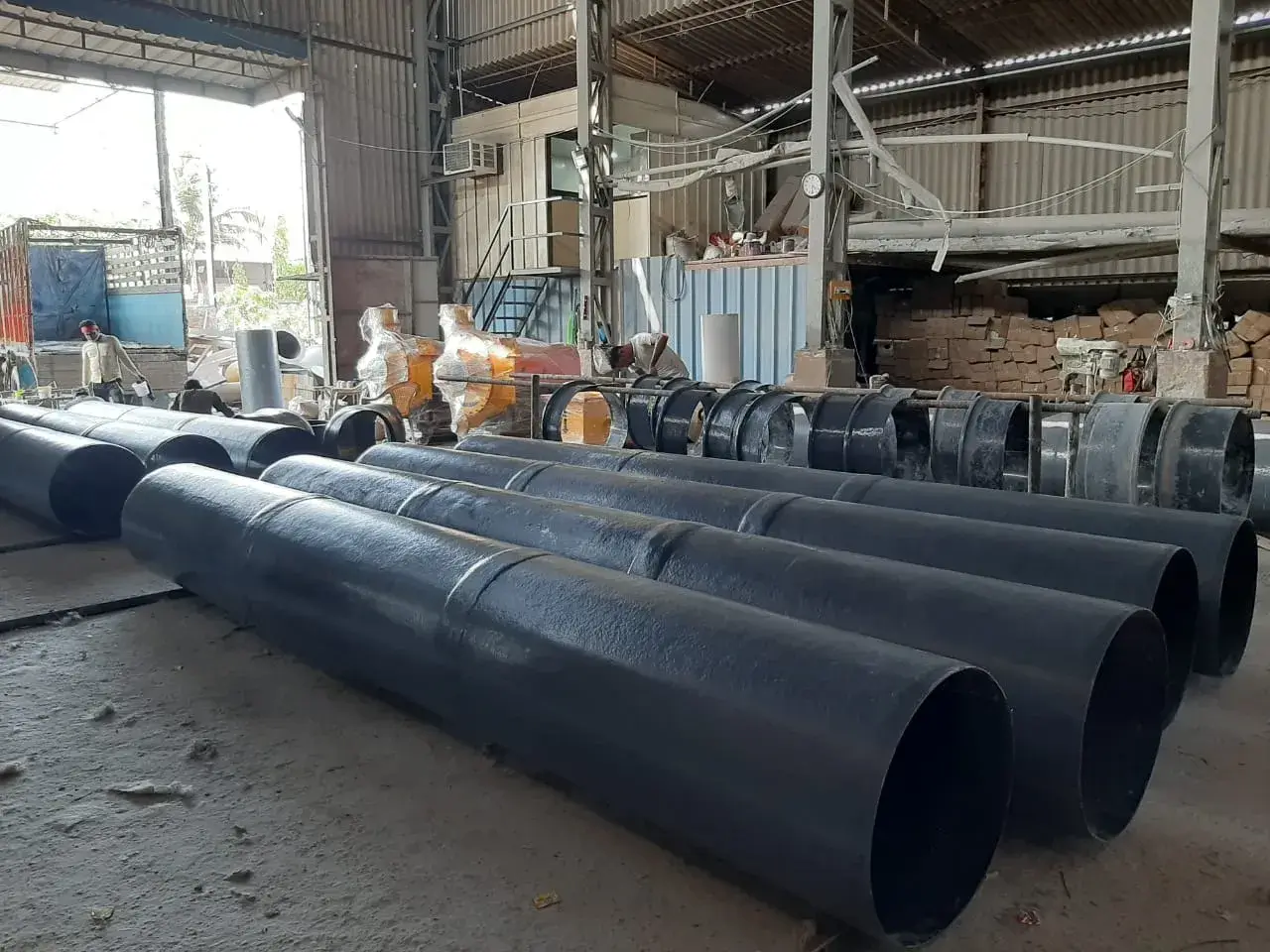
At Lesca Tech, we design and install premium PP FRP (dual-laminate) piping systems engineered for the safe transport of highly corrosive chemicals, acids, and industrial solvents. Our piping solutions combine the superior chemical resistance of Polypropylene (PP) liners with the mechanical strength of Fiber Reinforced Plastic (FRP) reinforcement.
Our dual-laminate piping fabrication
Every pipe section and fitting is manufactured using advanced bonding techniques to ensure a unified structure capable of withstanding industrial pressures.
Thermoplastic Fusion Bonding
The inner PPH (Polypropylene) pipes are joined using precision butt-fusion or socket-fusion welding, creating a seamless and leak-proof internal chemical barrier.
Mechanical Reinforcement (FRP)
The welded PP core is then overwrapped with alternating layers of continuous glass fiber and high-performance resin to provide the necessary hoop and axial strength for pressure ratings.
"Lesca Tech's piping installation has been exceptional. We've seen zero leaks and maintenance-free operation for over 5 years in our acid pickling line. Their fusion welding quality is the best in the industry."
Why choose our corrosion-proof piping
Our piping systems offer significant advantages over traditional stainless steel or lined carbon steel pipes, especially in harsh chemical environments.
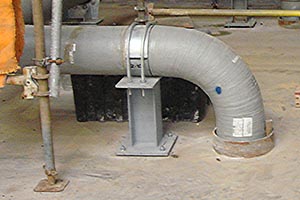
High Pressure & Vacuum Rating
Unlike standard plastic pipes, our FRP reinforced systems can handle significantly higher operating pressures and are resistant to vacuum collapses.
- Pressure Ratings up to 16 Bar
- Full Vacuum Resistance
- Custom Flanged & Welded Joints
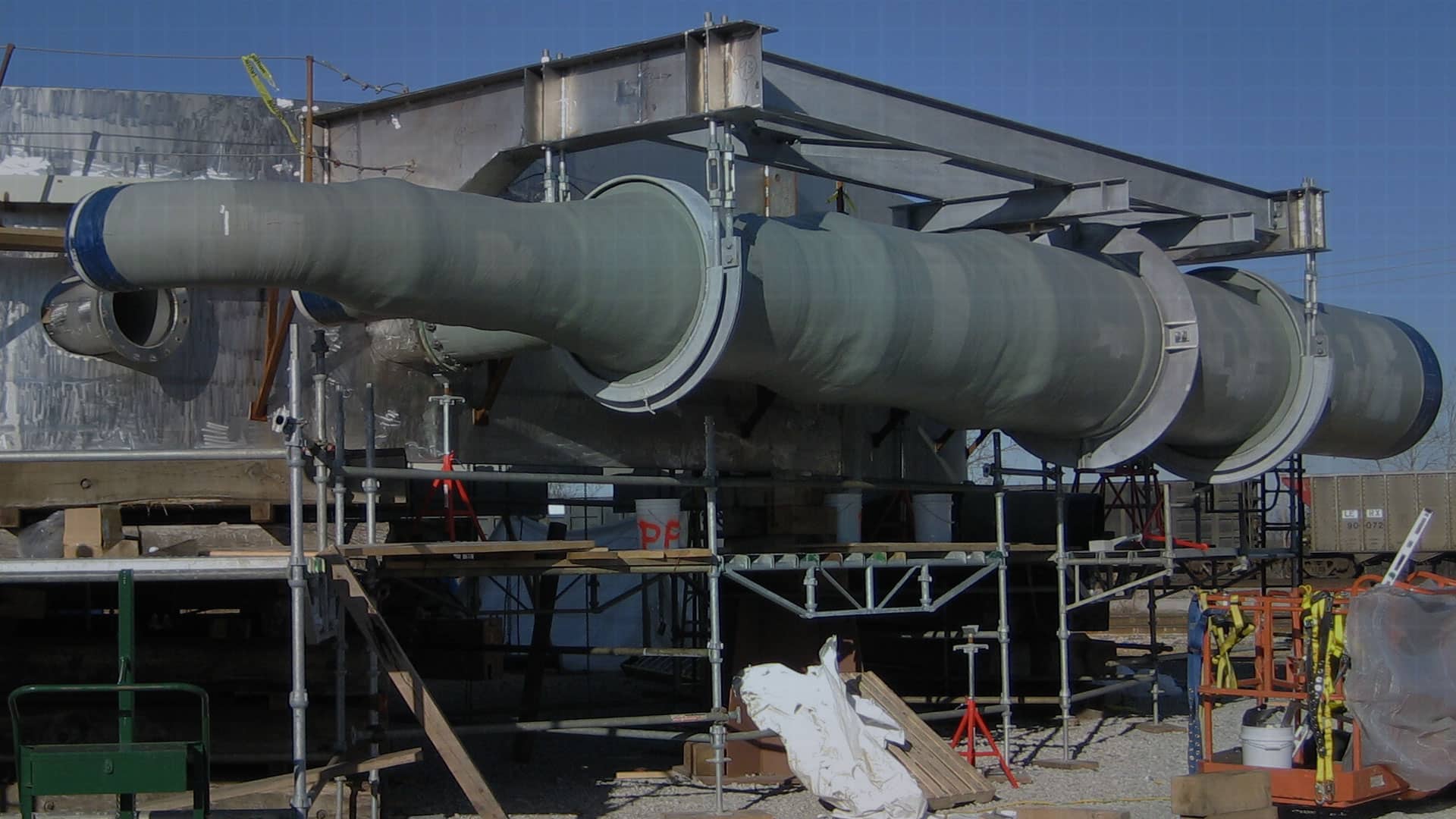
Leak-Proof Integrated Design
We provide a complete turnkey solution, from isometric design to fabrication and on-site jointing, ensuring total system integrity.
- Thermal Expansion Management
- Lightweight for Easy Support
- UV Resistant External Coating
PP FRP Piping FAQs.
Our PP FRP piping systems are typically designed for pressure ratings of PN6, PN10, and up to PN16. For specialized high-pressure requirements, we can increase the FRP reinforcement thickness to meet design specifications.
Thermal expansion is managed using a combination of strategic anchoring, expansion loops, and bellows. The FRP reinforcement also helps to significantly reduce the expansion coefficient compared to plain PP pipes.
We primarily use butt-fusion and socket-fusion welding for the PP liners, followed by hand-layup FRP jointing for structural continuity. We also offer flanged connections for equipment interfacing.
When properly designed and installed, these systems have a projected service life of 20 to 25 years, even when handling aggressive chemicals that would degrade metallic pipes in months.